

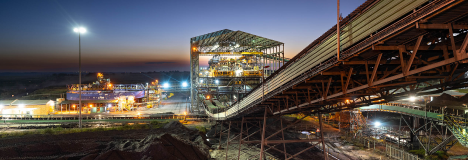


Key elements in our approach include efficient resource use, the protection of biodiversity, waste management, land stewardship and restoration, water management, community engagement, compliance with regulations, and the use of innovative technologies that minimise our environmental footprint.
If not managed with the utmost care, our mining activities may result in adverse environmental impacts:
- Water consumption or withdrawal from surface and underground sources within our community catchments, which could deplete a shared resource.
- Environmental incidents, including spillages of hydrocarbons and mine-impacted water, which could pollute surface and groundwater sources, impact aquatic life, fauna and flora, and land and soils.
- Dust from our mineral residue facilities, blasting and roads, which could have a negative effect on ambient air quality.
- Noise and vibration from blasting activities that may impact neighbouring communities.
- Disturbance of land for mining activities that can impact biodiversity and livelihoods post-mining.
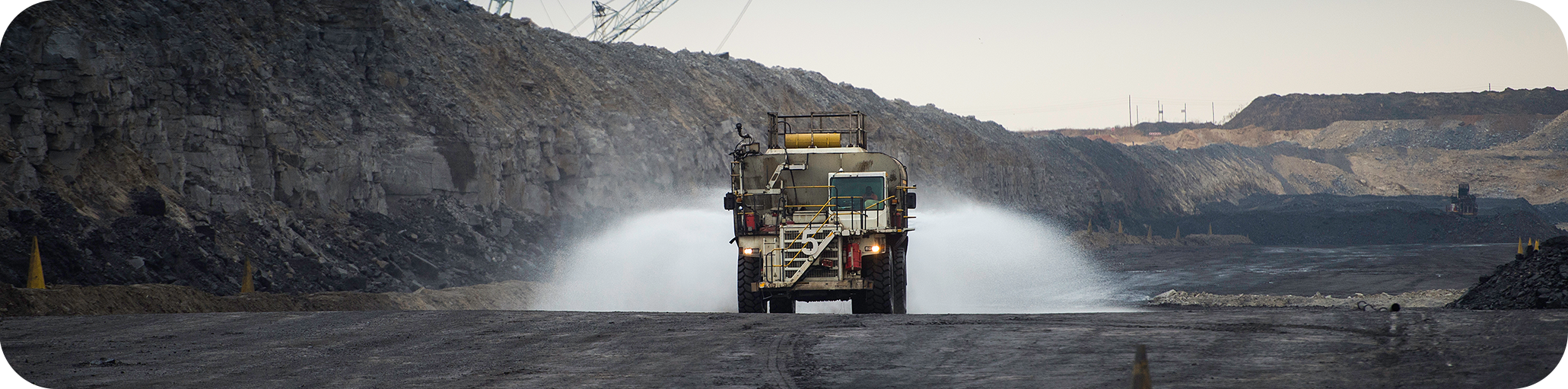
Our overall goal is zero harm, not just in safety and employee health, but also in our interactions with the natural environment. We have ESG targets for water, waste, biodiversity, and climate change to uphold our commitment to responsible stewardship of natural resources, while minimising environmental risks to host communities.
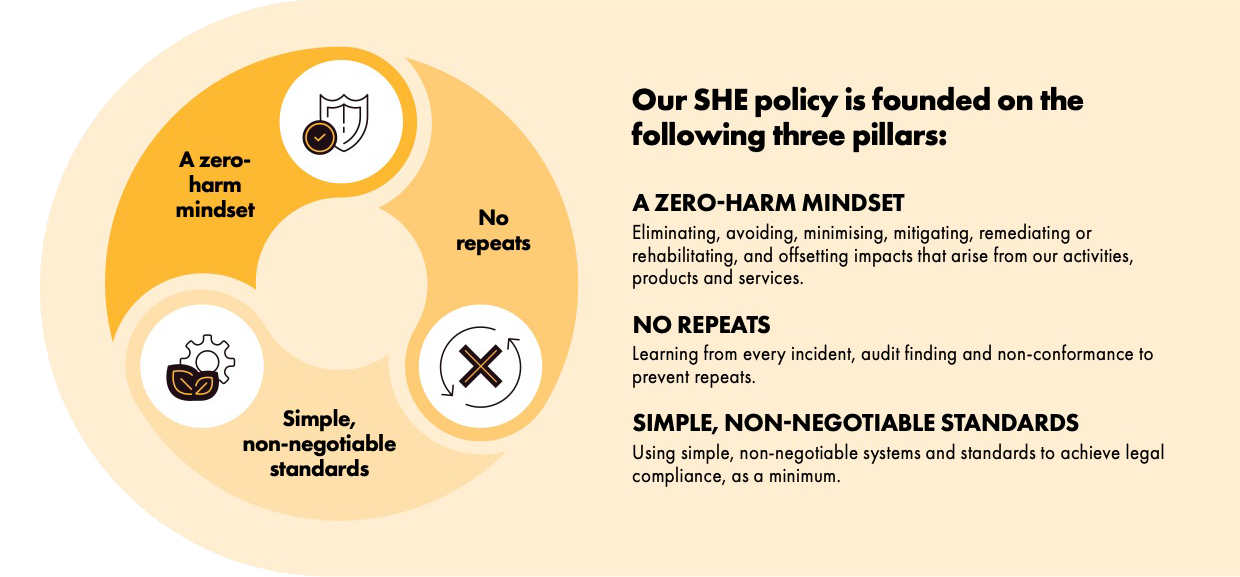
We aim to surpass legal requirements and ensure that the benefits of our activities substantially outweigh their negative impacts. Our operations are guided by our safety, health and environment (SHE) policy, standards and guidelines, which are premised on the precautionary principle. These – together with our ISO 14001:2015 certified environmental management systems at each operation1 – ensure we have processes in place to identify and assess potential risks and impacts, implement mitigation and management measures, and apply monitoring and evaluation programmes to avoid and, where we cannot prevent, manage potential impacts.
This section outlines our commitments, progress and approach to:

Approach
Each of our mines is governed by environmental permitting and licensing conditions and commitments tied to the management of their impacts. Adherence to these is paramount as failure to comply could jeopardise their legal and social licences to operate. To ensure strict compliance, sites undergo rigorous internal and third-party audits on an annual basis. External audits are conducted by independent consultants and regulatory bodies that assess compliance and pinpoint gaps to inform the development and implementation of action plans to rectify shortcomings.
Audit findings and their action plans are documented on our integrated SHE management platform and progress on remedial actions is reported to the SHE steering committee, executive committee and the relevant regulatory authorities.
The findings of the National Environmental Management Act (NEMA) Regulation 34 audits on all operations are published on our website: https://www.thungela.com/esg/environmental-compliance.
Delays experienced in the processing of environmental authorisations by the Department of Mineral and Petroleum Resources (DMPR) and the Department of Water and Sanitation (DWS) are one of our key business risks.
Members of our environmental function continually engage with authorities to discuss pending applications. They also participate in the Minerals Council South Africa’s environmental committee which discusses and addresses generic permitting and licensing challenges.