

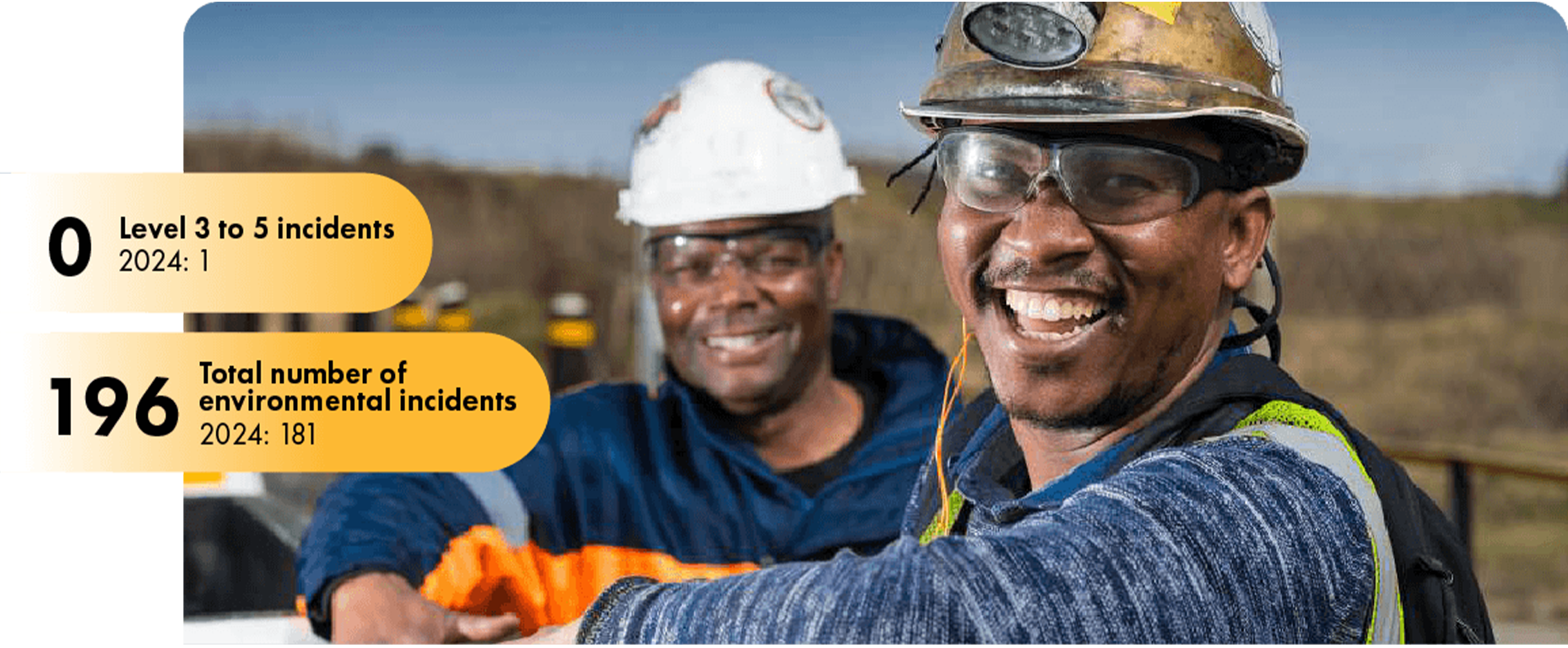
We significantly improved our environmental incident reporting and classification in 2024. We now categorise potential issues as ‘environmental hazards’ or ‘non-conformances’ rather than incidents, helping us address concerns before they become problems. As a result, we recorded 181 incidents in 2024 compared to 404 the previous year.
Key Incidents
Most incidents involved water overflows, hydrocarbon spills, waste storage issues, and air quality exceedances. We had one level 3 incident when heavy rainfall caused water from a collection trench to overflow into a neighbouring farm dam. We responded immediately by installing pumps, transferring water back to our facilities, and cleaning the farm dam. We've since improved our monitoring and maintenance procedures. No major level 4 or 5 incidents occurred in 2024.
We actively support the achievement of the Paris Agreement’s goals. We are making progress toward our commitment to reduce Scope 1 and 2 greenhouse gas (GHG) emissions by 30% by 2030 and to net zero by 2050. These targets have been set from a 2021 baseline. We are committed to transparent disclosure of our climate change risks and opportunities. We integrate climate change considerations into our business decisions.

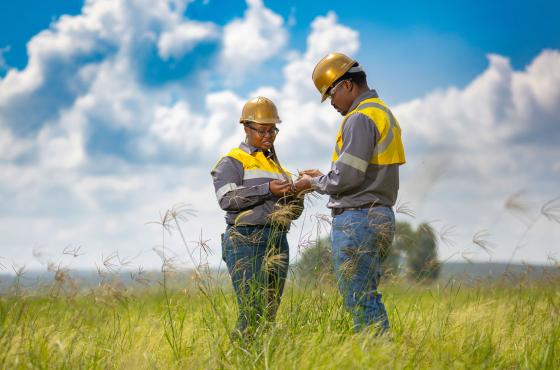
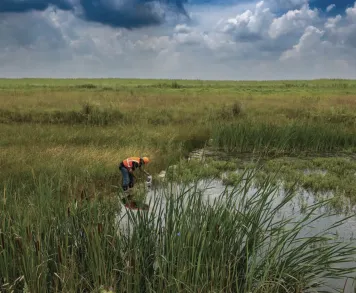
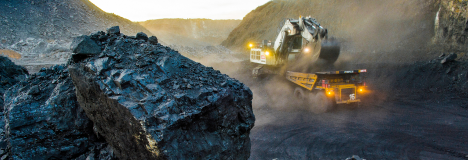
We take a holistic approach to mine closure. This requires a multi-disciplinary approach, including environmental rehabilitation, social transition and economic sustainability. We undertake progressive rehabilitation and each mine is developed with closure in mind. We are committed to no net loss of biodiversity and, where possible, to improving ecosystems through the implementation of restoration and offset projects. We protect areas of high biodiversity value and do not carry out any activities in World Heritage or protected areas.
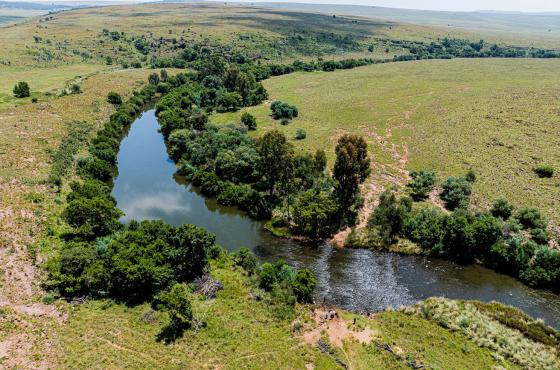
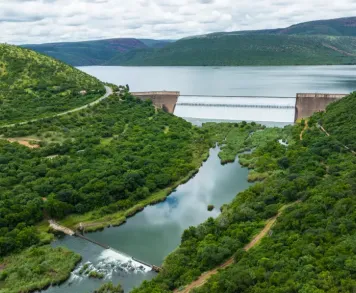
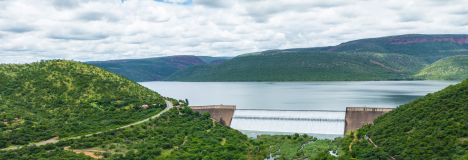
Our goal is to minimise our use of resources so that we do not impact on the availability of those resources for other users. These resources include energy and water. Our renewable energy initiatives and energy‑efficiency projects help us reduce reliance on conventional energy sources. We are working towards reducing our waste to landfill by 50% by 2030. Our disciplined water stewardship practices sustained water reuse and recycling levels at 95% across operations in 2025.
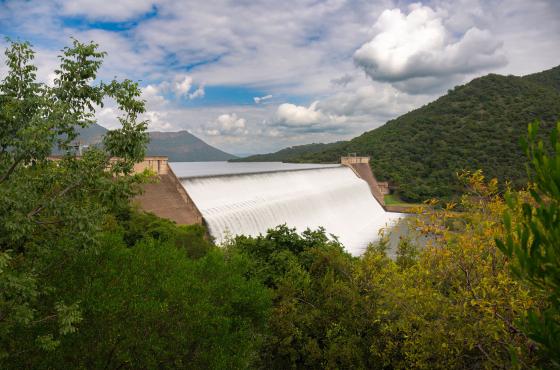
2025 was the first year that Thungela reported no significant (Level 3 to 5) environmental incidents since our listing. This is a testament to our improved management controls and exemplifies a culture of proactive risk management.
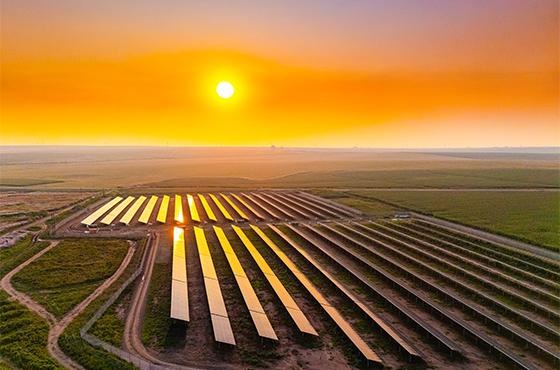
Read our ESG Report to see how we integrate environmental stewardship into our operational DNA.